
What Owners Need to Know
Industrial real estate has long been a backbone of American commerce. From warehouses and logistics centers to light manufacturing and distribution hubs, industrial properties are in high demand. But there’s an often-overlooked opportunity within this asset class: cell tower leases.
Whether it’s a ground lease for a cell tower in the corner of a truck yard, or a rooftop lease for antennas on a warehouse, industrial properties are frequently targeted by wireless carriers and tower companies for telecom infrastructure. For property owners, these leases can generate attractive passive income. However, they also come with unique considerations—especially when it comes time to sell the property.
In this article, we’ll explore how cell tower leases affect industrial real estate, how to maximize their value, and why it often makes sense to sell the lease before selling the property—particularly in owner-user scenarios.
Why Cell Tower Leases Are Common on Industrial Properties
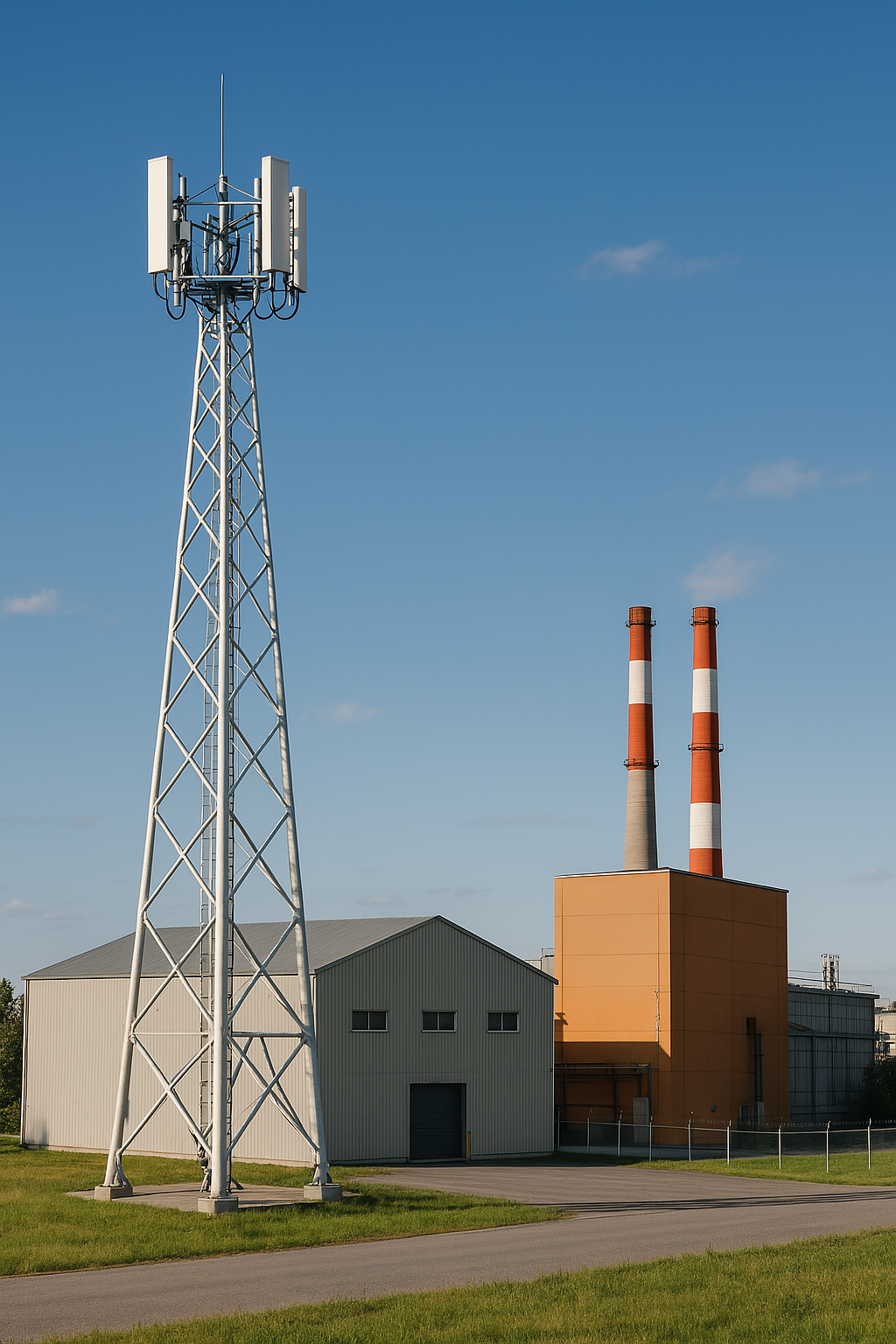
Industrial real estate often checks all the boxes for wireless carriers and tower companies looking to expand their infrastructure:
- Large, open parcels of land allow for easy construction and access.
- Flat rooftops provide ideal platforms for antenna installations.
- Fewer neighboring buildings mean fewer obstructions for wireless signals.
- Zoning compliance is typically easier in industrial zones.
- Proximity to highways and transportation corridors often aligns with network demand.
As 5G rollouts continue and data consumption soars, carriers like Verizon, AT&T, and T-Mobile are expanding their networks aggressively. At the same time, infrastructure providers like Crown Castle, American Tower, and SBA Communications are seeking long-term lease rights on strategically located properties.
If you own industrial real estate, you may already have a cell tower lease—or be approached by a company looking to establish one.
Types of Cell Tower Leases Found on Industrial Properties
There are several forms of wireless infrastructure that may be placed on industrial sites:
1. Ground Leases for Macro Towers
A traditional macro tower—monopole or lattice—placed on a corner of the property or near a fence line. These leases typically involve a 300–2,500 square foot footprint and long lease terms (often 25+ years with renewals).
2. Rooftop Antenna Leases
Warehouses and logistics centers with large, flat roofs are ideal for rooftop antennas. These leases may include cabinets or equipment pads at ground level and require access to the roof for maintenance.
3. Small Cells or Equipment Pads
With the densification of networks, carriers are also placing small cells and equipment on utility poles, fences, and in secure outdoor enclosures. Industrial properties near transportation infrastructure are prime candidates.
Each of these arrangements carries different rent levels, legal obligations, and property impact.
Typical Cell Tower Lease Terms and Income Potential
While lease rates vary significantly by market and site characteristics, industrial real estate owners can typically expect:
- Monthly rent: $1,000 – $3,000 for ground leases; $2,000 – $5,000 for rooftop or urban locations.
- Annual escalations: 2% to 3% per year, or fixed increases every 5 years.
- Term lengths: 5–10 years initial term, with automatic renewals up to 25–30 years total.
- Additional users: Some leases allow carriers to add subtenants or co-locators; owners may or may not share in this revenue depending on contract terms.
It’s important to negotiate these elements carefully. Carriers often present lease templates heavily skewed in their favor. Without expert guidance, property owners risk undervaluing their lease or losing future development flexibility.
Key Lease Terms Industrial Owners Should Watch For
In industrial environments, specific lease clauses are especially important:
• Access Rights
Cell tower tenants will require 24/7 access to their site or equipment. Make sure these rights don’t interfere with your business operations or lease agreements with other tenants.
• Use Restrictions
Ensure that the cell site won’t limit your future ability to expand, subdivide, or redevelop the property.
• Environmental Liability
If equipment includes backup generators or fuel tanks, owners must ensure compliance with local and federal environmental regulations—and that liability is shifted appropriately.
• Maintenance and Indemnity
Tenants should be responsible for maintaining their equipment and for any damage or injury caused by their personnel or operations.
• Subleasing Rights
If the tenant can sublease space on the tower to other wireless providers, negotiate a fair revenue-sharing agreement or at least require notification and consent.
Cell Tower Lease Valuation: How Much Is Your Lease Worth?
The market value of a cell tower lease depends on several variables:
- Location: Urban and high-demand areas command premium rates.
- Carrier Strength: Leases with Tier 1 carriers (AT&T, Verizon, T-Mobile) are valued more highly.
- Rent and Escalations: Higher rents and annual increases boost the present value of the lease.
- Remaining Term: Leases with longer terms or extension rights are more attractive to investors.
- Termination Clauses: The more limited the tenant’s right to terminate early, the more valuable the lease.
Third-party investors—often called lease buyout firms or tower aggregators—actively seek to acquire these leases and will offer lump-sum payments in exchange for the right to receive future income.
When It Makes Sense to Sell Your Cell Tower Lease
Selling a cell tower lease (also known as a lease buyout) can be a smart strategy in many industrial real estate scenarios, particularly when:
- You need liquidity for reinvestment, debt repayment, or a new acquisition.
- You plan to sell the property and want to maximize total value.
- The lease impacts future development or expansion plans.
- You want to simplify ownership and reduce long-term obligations.
Let’s look at one of the most common and important cases: the owner-user sale.
Owner-User Sales: Why Selling the Lease Separately Makes Financial Sense
Many industrial properties are sold to owner-users—businesses looking to occupy the facility for their own operations, rather than as an investment or income property. In these scenarios, the buyer often places minimal or no value on a cell tower lease included with the property.
Why? Because:
- The buyer is focused on the utility of the property for their business.
- They don’t want the hassle of managing a lease or dealing with a third-party tenant.
- They may even see the lease as an encumbrance or liability.
- The tower location may conflict with future site plans for the business.
- The income stream doesn’t factor into their financing or return model.
As a result, if you sell an industrial property with an attached cell tower lease to an owner-user, you are unlikely to receive full value for the lease. The buyer may not offer any premium for the lease, or worse, they may discount the property value because of it.
The Solution: Sell the Lease First
In many cases, it’s smarter to separate the cell tower lease from the property and sell it to a lease buyout firm before putting the property on the market. This allows the seller to:
- Capture the full present value of the lease—often in the six-figure range.
- Avoid leaving money on the table in a property sale.
- Make the property more attractive to buyers by removing perceived complications.
At Airwave Advisors, we’ve helped numerous industrial owners sell their leases for top dollar and navigate clean, smooth property transactions afterward.
Structuring a Lease Buyout Correctly
If you choose to sell your cell tower lease separately, it’s critical to structure the transaction properly:
- Use a telecom easement, not a deed or fee simple transfer.
- Clearly define access rights, equipment areas, and term limits.
- Limit future site expansion or modifications without your consent.
- Ensure you retain rights to develop, finance, or subdivide the rest of the property.
- Consult with telecom lease experts and real estate attorneys to protect your interests.
This structure allows you to realize the lease’s full value while retaining flexibility for your property’s future use or disposition.
What Industrial Buyers Should Consider When Acquiring a Property With a Cell Tower
If you’re buying an industrial property that includes a cell tower lease, here’s what you need to consider:
- Review the lease agreement in detail. Look for long-term encumbrances, access rights, or restrictions that could affect your use.
- Understand the income stream. How much is it? Does it escalate? Can it be terminated?
- Confirm whether the lease has already been sold to a third-party. If so, there may be a recorded easement.
- Factor in any complications into your due diligence and negotiation process.
If the lease doesn’t align with your plans, you may request that the seller terminate or relocate the lease prior to sale, or discount the purchase price accordingly.
The Role of Telecom Lease Advisors in Industrial Real Estate
Cell tower leases are highly specialized agreements that intersect both real estate law and telecommunications operations. Industrial property owners shouldn’t navigate these waters alone.
At Airwave Advisors, we serve as expert advocates for industrial property owners across the country. Our services include:
- Lease valuation and analysis
- Negotiation of new lease proposals
- Lease renewal and extension strategy
- Lease buyout evaluation and negotiation
- Coordination with legal and real estate teams
- Protection of property rights and future development flexibility
We’ve worked with everyone from individual property owners to national REITs, and our goal is always the same: maximize your lease value while protecting your long-term real estate interests.
Final Thoughts: Smart Cell Tower Strategy for Industrial Property Owners
Cell tower leases can be a hidden gem in your industrial real estate portfolio—but only if handled correctly. Whether you’re evaluating a new lease proposal, managing an existing tenant, or preparing to sell your property, understanding the strategic value of your telecom lease is essential.
And remember: if you’re selling to an owner-user, they’re buying the building—not the income. Sell your lease separately to realize its true value.
Need help? That’s what we’re here for.
Contact Airwave Advisors Today
Let’s make sure you don’t leave money on the table. Reach out for a free consultation and let us help you make the smartest decision for your industrial property.
📞 (888) 443-5101
📧 [email protected]
🌐 airwaveadvisors.com
Related Articles



About Nick G. Foster
Since founding Airwave Advisors® in 2014, Mr. Foster has added value to over 400 clients ranging from the State of Nevada, City of Beverly Hills, to Habitat For Humanity. Mr. Foster focuses on cell tower lease renewals, buyouts, new lease negotiation, and cell site lease management. Prior to starting Airwave Advisors® Mr. Foster founded and led the Cell Site Services Group within nationwide commercial real estate services leader Cassidy Turley (now known as Cushman & Wakefield).