
For decades, cell tower inspections involved sending climbers hundreds of feet into the air to assess antenna installations, coax cables, and structural integrity. But that’s changing fast. Today, drones are transforming the way carriers inspect and maintain wireless infrastructure—improving safety, lowering costs, and increasing the speed of deployments.
As a property owner with a cell tower or rooftop wireless installation, it’s worth understanding how this shift impacts site activity, lease enforcement, liability, and potential compensation.
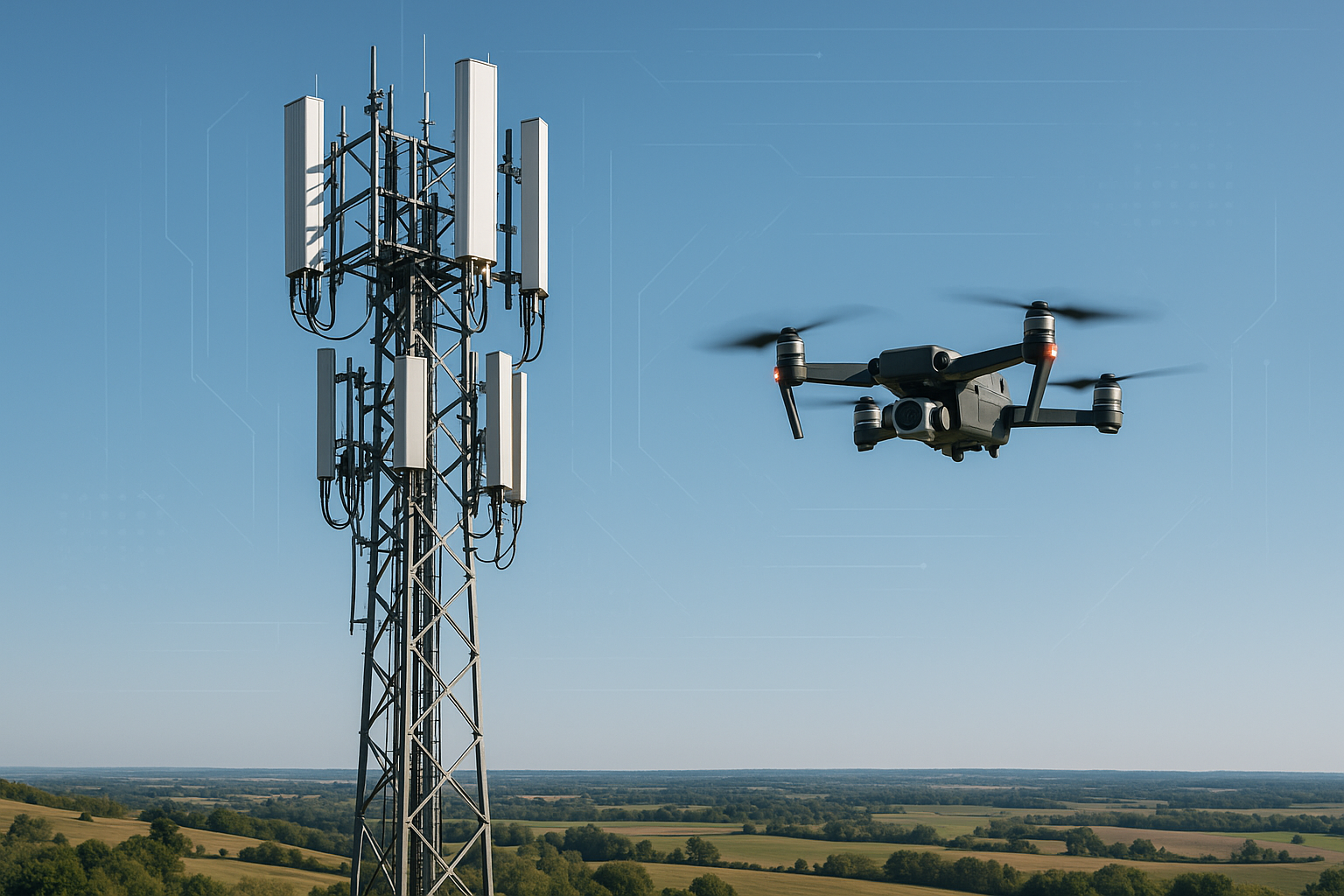
Why Drones Are Now Standard in Cell Tower Inspections
Drones, or unmanned aerial vehicles (UAVs), are equipped with high-resolution cameras, thermal sensors, and even LiDAR to scan towers in extreme detail. Wireless carriers and tower companies are increasingly turning to drone inspections because they:
- Improve safety by keeping technicians off high-risk climbs
- Speed up inspections — drones can survey a tower in minutes, not hours
- Capture better data using 360° imaging and AI-driven analysis
- Reduce costs by avoiding lifts, cranes, and climber teams
This innovation is especially helpful for sites in remote, rugged, or hard-to-access areas.
What Drone Inspections Mean for Property Owners
1. More Frequent Activity – With Less Notice
Drones allow carriers to perform more regular visual inspections without the need for large crews. You may see:
- Contractors briefly entering your site
- Vehicles parked near tower bases
- Drones flying overhead for 15–30 minutes at a time
Often, these visits are quiet, fast, and non-intrusive, but they still count as site activity and must comply with lease terms.
2. FAA Compliance Is Required
Drones must be flown by licensed pilots and comply with FAA Part 107 regulations. If you see drones operating without notice or apparent credentials, that’s a red flag.
Property owners should expect:
- Notification in advance (per lease terms)
- Identification of the drone operator or contractor
- Limited flight windows (usually daytime only)
3. Drones Can Be Used for More Than Inspections
While the primary use is visual inspection, drones are also being used to:
- Map RF interference patterns
- Plan 5G antenna upgrades
- Assess rooftops for new equipment
- Validate lease compliance
This has major implications for leaseholders, particularly those with rooftop sites, where drone surveys may precede unannounced equipment changes.
Should Property Owners Be Compensated?
Most leases don’t specifically address drone activity—because the technology is relatively new. However:
- If drone operators need access to locked areas, notice and permission are required.
- If drone flights are frequent or used for purposes beyond inspection, additional compensation or amendments may be justified.
- If new equipment is added as a result of drone assessments, it may trigger a rent increase or amendment.
If you’re unsure whether a drone inspection aligns with your lease, consult with a wireless lease expert.
Best Practices for Property Owners
- Know your lease terms: Many older leases are silent on drones. Make sure inspection rights are clearly defined.
- Document drone activity: Note dates, times, and companies involved. Photos and video can help support your position.
- Require written notice: Ask tenants to notify you in writing before drone inspections.
- Update your lease: Future-proof your agreement by including clauses that cover drone use, access, and compensation.
Final Thoughts
The use of drones in the wireless industry is only going to grow—from inspections to upgrade planning to real-time monitoring. For property owners, staying informed is the key to protecting your rights and maximizing value.
At Airwave Advisors, we help property owners review leases, enforce terms, and renegotiate agreements when new technologies like drone inspections come into play.
Related Articles



About Nick G. Foster
Since founding Airwave Advisors® in 2014, Mr. Foster has added value to over 400 clients ranging from the State of Nevada, City of Beverly Hills, to Habitat For Humanity. Mr. Foster focuses on cell tower lease renewals, buyouts, new lease negotiation, and cell site lease management. Prior to starting Airwave Advisors® Mr. Foster founded and led the Cell Site Services Group within nationwide commercial real estate services leader Cassidy Turley (now known as Cushman & Wakefield).