
Understanding Cell Tower Operations, Backup Power, and What It Means for You
(Updated on March 31, 2025)
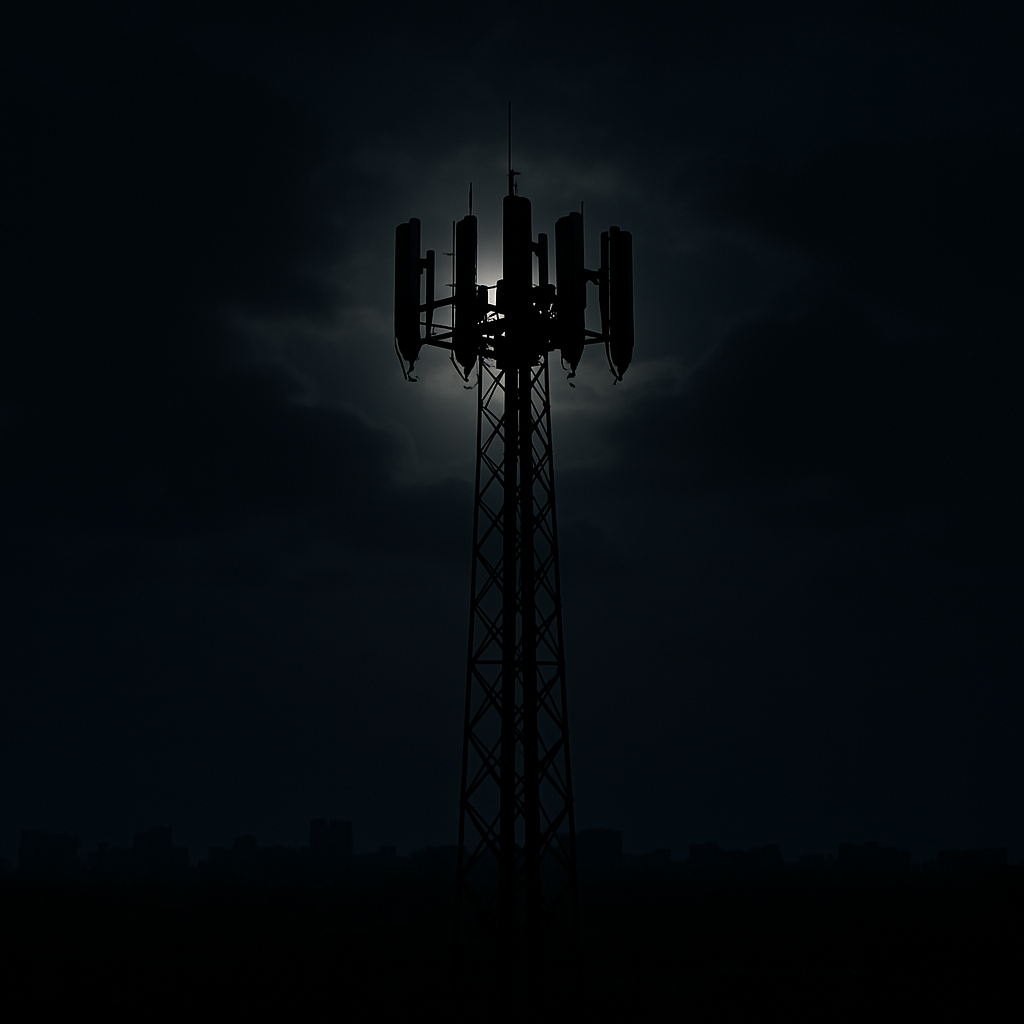
In recent years, the reliability of our wireless infrastructure has become more important than ever. As natural disasters and extreme weather events increase in both frequency and severity, the ability to stay connected—especially during emergencies—can be a matter of life and death. Yet, when power goes out, can we still count on our mobile phones? More specifically, will the cell towers that power our wireless networks remain operational during a blackout?
This question is top of mind for many Californians and others across the country, particularly after two major California utilities—Pacific Gas & Electric (PG&E) and San Diego Gas & Electric (SDG&E)—announced voluntary power shutoffs in certain areas as a precaution against wildfire risk due to Santa Ana winds.
In this article, we’ll explore the connection between cell towers and power supply, what role backup generators play, how the FCC responded after Hurricane Katrina, and why the vast majority of U.S. cell towers are still vulnerable to blackouts despite federal regulations.
The Growing Use of Planned Power Outages
Utilities like PG&E and SDG&E have come under intense scrutiny in the wake of catastrophic wildfires such as the 2018 Camp Fire in Paradise, California. That fire, the deadliest in state history, was largely attributed to PG&E power lines that failed in high winds. To prevent such disasters from recurring, utilities have increasingly turned to preemptive Public Safety Power Shutoffs (PSPS) when conditions become dangerous.
These shutoffs are designed to prevent live electrical lines from sparking fires during periods of extreme heat, low humidity, and gusty winds. While they may prevent fires, these blackouts can last hours or even days—and they affect everything connected to the grid, including cell towers.
Do Cell Towers Still Work During a Blackout?
The short answer is: sometimes. Cell tower functionality during a power outage varies depending on several factors, including whether or not the tower has a backup power source in place.
Let’s break this down:
- Some towers have backup generators or batteries, which can keep them running for a limited period—anywhere from a few hours to a few days.
- Other towers have no backup power at all, and will shut down as soon as the electricity goes out.
- Some sites may be designed to receive emergency generator support, but only if a technician can reach the site and install a mobile generator in time.
Ultimately, there’s no guarantee that your local cell tower will stay up and running during a blackout—especially if the outage is widespread, prolonged, or if road closures and natural hazards prevent fuel or generator delivery.
How Long Can a Backup Generator Keep a Cell Tower Running?
Even at sites equipped with backup generators, the protection they offer is only temporary. Most generators are powered by either diesel or natural gas. Once the fuel runs out, the cell tower goes offline.
Backup batteries offer even less security. Some towers rely on battery systems that provide power for only 2 to 8 hours. These systems are meant to bridge short-term power outages, not to carry a site through a multi-day blackout.
To ensure continued service, generators need to be refueled regularly—and if there’s a shortage of fuel, or if the site becomes inaccessible due to fire, flooding, or debris, the tower may go dark.
The FCC’s Response After Hurricane Katrina
After Hurricane Katrina devastated New Orleans and surrounding regions in 2005, it exposed major weaknesses in America’s wireless infrastructure. The storm not only knocked out the power grid—it rendered more than 1,000 cell towers inoperable.
In response, the Federal Communications Commission (FCC) conducted a comprehensive investigation into the failure of wireless networks during the crisis. The agency found that a lack of adequate backup power was a major contributor to the breakdown in communication.
As a result, the FCC introduced new regulations in 2007 that required all wireless carriers to install backup power systems—such as batteries or generators—at their cell sites to ensure network continuity during emergencies.
The goal was simple: improve network resilience and give Americans a better chance of staying connected in a disaster.
Are Carriers Following the FCC’s Backup Power Requirements?
Unfortunately, the answer is mostly no. While the FCC’s intentions were clear, enforcement has been weak—and carriers have found ways to skirt the rules.
Wireless carriers like AT&T, Verizon, and T-Mobile frequently argue that local zoning regulations, leasing costs, or technical limitations prevent them from installing backup generators at certain sites. In many cases, they simply choose not to comply because of cost.
We’ve seen this firsthand at Airwave Advisors. As trusted representatives for property owners in negotiations with wireless carriers, we’ve often been part of discussions about adding backup generators to existing tower leases. Yet, when the carrier believes the cost to lease the land for a generator is too high—often just a few hundred dollars more per month—they walk away from the negotiation entirely.
This is despite the FCC’s guidelines and the known need for reliable emergency communication. In short, many carriers prioritize cost savings over compliance—and communities are left vulnerable as a result.
How Many Towers Are at Risk?
With over 400,000 cell sites in the U.S. today—ranging from traditional towers to rooftop installations, small cells, and macro sites—the scale of the problem is significant.
While it’s difficult to quantify exactly how many towers have backup power, industry experts estimate that fewer than 30% of U.S. cell sites are adequately protected with either a backup battery system or generator. That leaves hundreds of thousands of sites that could fail in the event of a power outage.
This vulnerability isn’t just a rural problem. Urban areas, suburban neighborhoods, and critical facilities like schools, hospitals, and emergency response centers often rely on cell towers that lack adequate backup systems.
Why This Matters: Emergency Communication and Public Safety
During natural disasters, people rely on their cell phones more than ever. They need to:
- Call 911
- Communicate with family
- Receive emergency alerts
- Access weather updates
- Use GPS for evacuation routes
When cell towers go down, those lifelines disappear. And the consequences can be deadly.
In fires, floods, hurricanes, and earthquakes, communication is key to saving lives. Emergency responders rely on mobile networks to coordinate rescues, deploy resources, and provide instructions to the public. Without reliable infrastructure, confusion and chaos take hold.
Why Don’t More Towers Have Backup Generators?
There are a few key reasons why backup systems are not universally installed:
1. Cost Concerns
Installing a backup generator requires leasing additional space, permitting, fuel logistics, and ongoing maintenance. Some carriers are reluctant to pay higher lease rates to landowners or building owners, even if that extra space could be used to house a lifesaving generator.
2. Zoning and Permitting
Some local governments impose strict zoning rules that make it difficult to install backup systems. Permitting delays, environmental regulations, and community opposition can slow the process significantly.
3. Logistical Complexity
Not every site is physically suited to support a generator. Rooftop installations, for instance, may lack the structural support or access points needed for backup fuel systems.
4. Lack of Regulatory Enforcement
The FCC’s backup power requirement is often not enforced, and there are limited penalties for noncompliance. Without strong oversight, carriers have little incentive to act.
What Can Property Owners Do?
If you own commercial real estate or land with a cell tower lease, you play a critical role in improving the resilience of wireless networks.
Here’s how you can help:
- Require Backup Generators in New Leases
When negotiating a new lease or lease amendment, include a clause that requires the tenant to install and maintain a backup power system. - Negotiate for Additional Rent
If a wireless carrier wants to install a generator on your property, don’t give away the space for free. We help landowners structure fair rental agreements that reflect the added value and risk. - Demand Accountability
Ask your carrier whether their equipment has backup power. If not, press them to comply with FCC recommendations and prioritize your site. - Work with Experts
At Airwave Advisors, we specialize in helping property owners understand the technical and legal complexities of their cell tower leases. We ensure you’re compensated fairly—and that your community is better protected.
Conclusion: The Disconnect Between Policy and Practice
The United States has made remarkable progress in building out a robust wireless network. But when the lights go out, the cracks in our infrastructure become all too visible.
Despite clear mandates from the FCC, many wireless carriers have failed to install backup systems that could keep communities connected in a crisis. They often cite cost, red tape, or inconvenience—while ignoring the potentially life-threatening consequences of their inaction.
As climate change accelerates and extreme weather events become more common, this issue will only grow in urgency. It’s time for wireless carriers, regulators, and property owners to work together to ensure every cell tower has the power it needs—especially when the grid fails.
Until then, don’t assume your phone will work in a blackout.
Need Help Reviewing Your Cell Tower Lease?
If you’re a property owner with questions about backup generators, lease amendments, or your cell tower tenant’s obligations—contact us today.
📞 Call: (888) 443-5101
📧 Email: [email protected]
Related Articles

About Nick G. Foster
Since founding Airwave Advisors® in 2014, Mr. Foster has added value to over 400 clients ranging from the State of Nevada, City of Beverly Hills, to Habitat For Humanity. Mr. Foster focuses on cell tower lease renewals, buyouts, new lease negotiation, and cell site lease management. Prior to starting Airwave Advisors® Mr. Foster founded and led the Cell Site Services Group within nationwide commercial real estate services leader Cassidy Turley (now known as Cushman & Wakefield).